The music industry is no stranger to evolution, but 2025 may go down as the year artificial intelligence officially stepped into the spotlight. One name is leading that conversation: Xania Monet, the AI R&B artist who just signed a multimillion-dollar record deal with Hallwood Media. With coverage in Billboard, chart appearances on Billboard’s Emerging Artists list, and songs powered by the Suno AI platform, Monet has become a symbol of how technology and creativity are colliding in Hollywood.
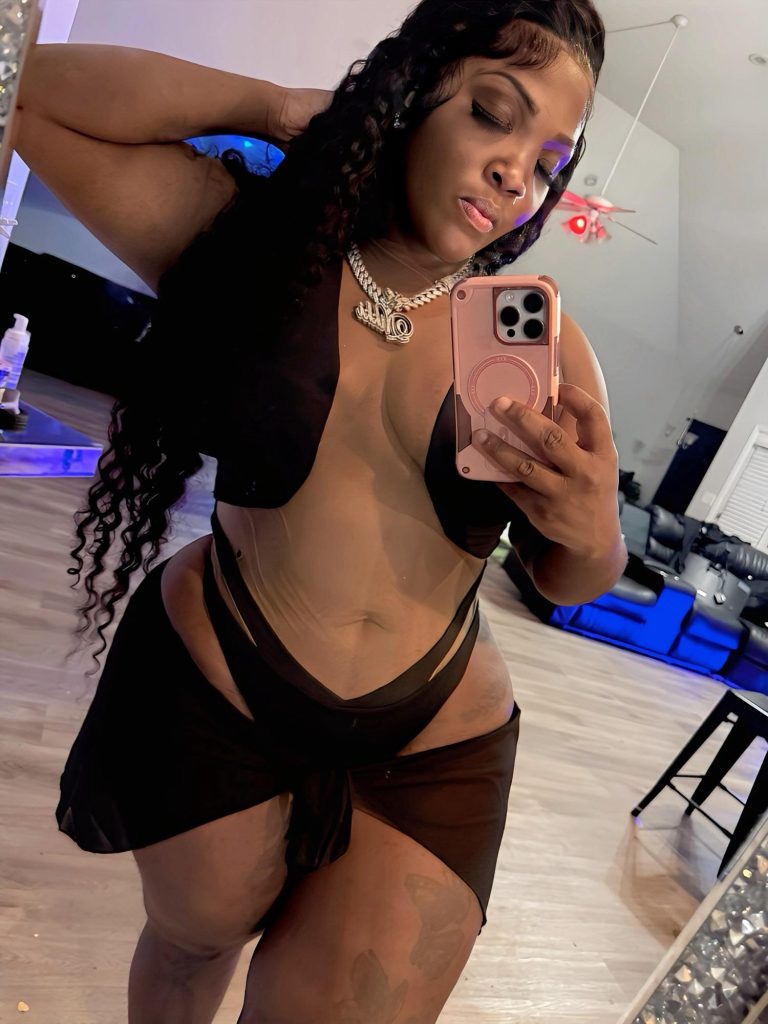
For fans, the burning question is simple: Is Xania Monet a real person or AI? For the industry, the bigger question is: What does her deal mean for the future of music?
Who Is Xania Monet?
Behind the avatar, Xania Monet is the creation of Telisha “Nikki” Jones, a visionary artist and entrepreneur who teamed up with manager Romel Murphy to push the boundaries of what an R&B artist can be. Xania represents more than just a digital character — she is marketed as the first AI music artist to land a major record deal, blending soulful vocals, AI-generated production, and human-led direction.
Her music is rooted in R&B and gospel influences, with tracks like “Let Go Let God” climbing the Billboard Hot Gospel Songs chart, and “How Was I Supposed to Know” hitting the R&B Digital Song Sales chart. Far from a novelty act, Xania Monet is positioning herself as a legitimate player in the industry.
The partnership with Hallwood Media, founded by former Interscope executive Neil Jacobson, adds even more weight to her rise. Jacobson, known for working with names like Lady Gaga and Black Eyed Peas, sees Monet not as a gimmick but as the future of artist development in an AI-powered age.
The $3 Million Record Deal Drama
Xania Monet’s rise caught the attention of multiple record labels, sparking a bidding war that reportedly reached $3 million. While some major labels hesitated due to Suno AI’s ongoing copyright lawsuit, Hallwood Media ultimately sealed the deal, adding her to its roster of emerging talent.
According to Romel Murphy, the deal is more than a financial win — it represents Hollywood’s recognition of AI’s role in shaping the next generation of artists. Neil Jacobson, CEO of Hallwood Media, emphasized that the label’s goal isn’t just to capitalize on a novelty; it’s to develop a sustainable AI-driven music career.
“Xania Monet isn’t just an experiment,” Jacobson said. “She’s the first in a new wave of artists where AI and human creativity combine. We’re betting big on her future.”
The deal mirrors Hallwood’s earlier signing of imoliver, another top-streaming Suno creator, marking a clear strategy to integrate AI-driven talent into mainstream music. For Hollywood, this moves signals a shift: digital-first artists can now compete alongside traditional performers.
The Journey of Telisha Jones: From Mississippi Poet to AI Star
Before Xania Monet became a household name, Telisha “Nikki” Jones was a small-town poet and entrepreneur in Olive Branch, Mississippi. Growing up, music was a part of her daily life. She sang in her church choir, wrote poetry inspired by her family and community, and dreamed of sharing her voice with the world. But like many emerging artists, the path to fame was anything but easy.
After college, Jones started a design studio, focusing on visual storytelling and branding for small businesses. While her day job kept her busy, her evenings were devoted to writing lyrics and experimenting with music. She recorded demos, collaborated with local singers, and uploaded her work to streaming platforms—but nothing gained significant traction.
Jones often faced the limitations of traditional music production: studio costs, hiring session musicians, and the challenge of standing out in an oversaturated market. “I had the songs, the stories, and the passion, but the resources weren’t there,” she told Billboard in a recent interview. That’s when she discovered Suno AI, a platform that allowed her to convert her lyrics into fully produced songs using AI-generated vocals and instrumentation.
How Xania Monet Landed the $3 Million Record Deal?
The leap from small-town artist to multimillion-dollar contract didn’t happen overnight. Jones spent months refining her lyrics, experimenting with AI-generated vocals, and crafting Xania Monet’s image. She made sure that the persona of Xania wasn’t just a digital gimmick but a true representation of her artistry.
After releasing a handful of singles, her tracks began gaining traction on streaming platforms, particularly with fans of R&B and gospel-infused music. Songs like “Let Go, Let God” and “How Was I Supposed to Know” demonstrated both lyrical depth and emotional authenticity, which caught the attention of Hallwood Media executives.
Jones’ approach was strategic: she combined AI innovation with human storytelling, ensuring every track reflected her own experiences while using technology to amplify reach. This unique blend distinguished Xania Monet from other emerging artists, creating a buzz that soon led to a bidding war between record labels.
Ultimately, Hallwood Media, led by Neil Jacobson, recognized the potential for a new kind of artist — one who could merge AI production with authentic songwriting — and offered the $3 million contract that officially launched Xania Monet into the mainstream.
The Ingredients of Her Success
Several factors contributed to Xania Monet’s rapid rise:
- Authentic Storytelling: 90% of her lyrics were based on her personal experiences, with the remaining 10% inspired by her community. This gave her songs emotional resonance.
- AI Innovation: Using Suno AI, Jones could experiment with different vocal styles, harmonies, and instrumentals without the traditional constraints of studio time or costs.
- Strategic Marketing: Jones, with manager Romel Murphy, carefully released tracks to build momentum on streaming platforms and social media.
- Industry Timing: The music world is increasingly embracing digital-first, AI-powered content. Xania Monet arrived at the perfect moment to capitalize on this trend.
- Chart Impact: Early success on Billboard charts validated her approach and signaled to record labels that Xania Monet could compete with human artists.
By blending innovation, talent, and strategic promotion, Telisha Jones transformed a concept into a multimillion-dollar opportunity, proving that the future of music could include both human and AI collaboration.
Chart Success & Music Buzz
Despite being a digital persona, Xania Monet’s impact is tangible. On the Billboard charts dated September 20, 2025:
- Emerging Artists: No. 25
- Hot Gospel Songs: No. 21 with “Let Go, Let God”
- R&B Digital Song Sales: No. 1 with “How Was I Supposed to Know”
- R&B/Hip-Hop Digital Song Sales: No. 3
- Overall Digital Song Sales: No. 22
Streaming data from Luminate reports 9.8 million on-demand U.S. streams, with 5.4 million streams occurring in just one week (Sept. 5–11). This early traction suggests that fans are embracing the music regardless of whether the performer is human or AI.
Industry insiders note that the combination of authentic storytelling, AI-driven production, and social media buzz is creating a blueprint for digital-first artist launches. Monet’s songs aren’t just viral hits; they’re carefully crafted R&B tracks that showcase emotion and lyrical depth.
Celebrity Reactions & Industry Debate
Xania Monet’s debut has sparked a cultural conversation. Social media is buzzing with questions about the future of AI in entertainment, while music critics debate her place in the R&B landscape.
Supporters argue:
- AI is just another tool for creativity.
- Monet’s lyrics, written by Telisha Jones, bring authenticity and relatability.
- Her success demonstrates the evolving nature of celebrity and artistry.
Skeptics warn:
- AI could overshadow human performers.
- Music labels may prefer AI acts for lower production costs and scalability.
Hollywood is taking note. Comparisons are already being made to virtual influencers like Lil Miquela, and discussions have begun about how AI stars might appear on red carpets, award shows, and streaming performances.
What’s Next for Xania Monet?
With her multimillion-dollar deal in place, Xania Monet’s journey is only beginning. Romel Murphy, her manager, reveals that discussions for publishing deals and potential collaborations with human producers are already underway.
The next big challenge is a live performance. How do you present an AI-powered artist on stage? Murphy hints at creative solutions blending holographic visuals, AI-generated vocals, and live musicians, aiming to give fans an immersive concert experience unlike anything Hollywood has seen before.
Industry observers are also speculating about potential award show appearances, festival bookings, and even partnerships with fashion and lifestyle brands. In many ways, Xania Monet is being positioned not just as a music act, but as a multimedia entertainment brand.
Fans and critics alike are watching closely. Will she inspire a wave of AI artists entering Hollywood, or will she remain a unique experiment? The answer may shape the music and entertainment landscape for years to come.
Social Media Buzz and Cultural Impact
After Xania Monet’s debut on the Billboard charts, fans and industry watchers flooded social media with reactions. On platforms like Twitter/X, Instagram, and TikTok, listeners debated whether Xania Monet was a “real artist” or just an AI experiment. Hashtags like #XaniaMonet, #AIinMusic, #FutureofRnB began trending, driving further streams and engagement.
Fans praised the emotional authenticity of her lyrics, with many noting that songs like “Let Go, Let God” felt deeply personal despite the AI-generated vocals. One TikTok creator commented, “I don’t care if it’s AI or not — Xania’s songs hit differently. Her storytelling is real.”
The cultural implications extend beyond music. Xania Monet has sparked discussions about the role of AI in Hollywood and entertainment, challenging traditional ideas of celebrity and performance. Virtual influencers, digital performers, and AI-generated content are increasingly entering mainstream media, and Xania Monet is one of the first AI-powered artists to make a significant commercial impact.
Music industry insiders are taking notes. According to Romel Murphy, the success of Xania Monet could open doors for other AI-powered artists, reshaping talent scouting, recording, and promotion strategies in Hollywood. “She’s showing labels what’s possible when creativity meets technology,” Murphy said.
Predictions for Live Performances and Collaborations
One of the most exciting aspects of Xania Monet’s rise is the potential for live performances. Traditional concerts pose a unique challenge: how do you stage an AI-powered artist?
Murphy hints at innovative solutions:
- Holographic visuals and immersive stage design to give audiences a sense of presence.
- Blending live human musicians with AI-generated vocals for hybrid performances.
- Interactive digital experiences where fans can influence setlists or visual effects in real-time.
Hollywood insiders predict that Xania Monet could appear at major award shows, music festivals, and even fashion events, bridging the gap between virtual and real-world entertainment. Collaborations with human artists are also likely, allowing Xania Monet to expand her creative footprint and reach new audiences.
Beyond music, her image and brand could extend into merchandise, virtual meet-and-greets, and lifestyle products, making Xania Monet not just an artist, but a multimedia entertainment phenomenon.
The Future of AI in Music
Xania Monet’s success demonstrates that AI is no longer just a novelty; it’s becoming a legitimate force in the music industry. Analysts predict that AI-powered artists will increasingly appear on streaming charts, collaborate with human performers, and influence the business models of record labels.
For Hollywood, this represents a paradigm shift: fans may soon follow virtual personas with the same passion as human celebrities, and labels will need to balance creativity, authenticity, and technology to stay competitive.
Xania Monet’s journey is a blueprint for the next generation of music careers, where innovation, storytelling, and strategic marketing combine to create stars who are part human, part AI, and entirely unforgettable.
Also Read: All American star Monet Mazur net worth, partner, age, parents
Xania Monet- AI innovation
Xania Monet is more than a viral phenomenon — she represents a shift in Hollywood and music culture. By combining AI innovation, human creativity, and strategic industry support, she has proven that technology and artistry can coexist in a way that captivates audiences.
Whether you view her as a trailblazer or a controversy, Xania Monet demonstrates that AI is here to stay in entertainment. Her Billboard success, multimillion-dollar record deal, and growing fanbase signal that Hollywood may soon see more AI-powered stars taking the stage, reshaping what it means to be a celebrity in the 21st century.
The age of AI in Hollywood is not coming — it’s already here, and Xania Monet is leading the charge.
Read More: The Future of Stock Picking with AI
FAQs About Xania Monet
Who is Xania Monet?
Xania Monet is an AI-powered R&B artist created by Telisha “Nikki” Jones, a poet and designer from Mississippi. She blends AI-generated vocals with authentic, human-written lyrics.
Is Xania Monet a real person or AI?
The persona is AI-driven, but the music is based on Jones’ original songwriting, giving it both technical innovation and emotional authenticity.
What record label signed Xania Monet?
She signed a multimillion-dollar deal with Hallwood Media, led by former Interscope executive Neil Jacobson.
What are Xania Monet’s top songs?
Her standout tracks include:
- “Let Go, Let God”
- “How Was I Supposed to Know”
How did Xania Monet get famous?
Monet gained attention through Suno AI music production, strategic marketing, and viral streaming success, eventually debuting on Billboard charts.