When readers in Bangladesh, South Asia, or the United States search for Tarique Rahman’s wife, they are often trying to understand more than just a political connection. They want clarity about who Dr Zubaida Rahman is as a professional, as a member of a historically significant family, and as a public figure whose life has intersected with law, governance, exile, and return. In politically polarized environments, it becomes even more important to present verified information carefully and responsibly. This article aims to explain her life in depth without speculation, without rumor, and without partisan framing, while acknowledging the political realities that shape public perception.
yesterday, general elections were held in Bangladesh. Today, the results of these elections have been declared.
— social scientist (@socialscie50255) February 13, 2026
in This general election, the Bangladesh Nationalist Party BNP has recorded a major victory. BNP has secured 209 out of 299 seats, surpassing the figure of 150… pic.twitter.com/gLxensWU25
Based on the latest developments from Bangladesh’s parliamentary elections held on February 12, 2026, Tarique Rahman, the acting chairman of the Bangladesh Nationalist Party (BNP) and husband of Dr. Zubaida Rahman, is indeed poised to become the country’s next prime minister. The BNP secured a landslide victory, winning a two-thirds majority in the 300-seat Jatiya Sangsad (parliament), with reports indicating the party claimed at least 209-212 seats. This marks the party’s return to power after nearly 20 years, following the ouster of former Prime Minister Sheikh Hasina in a 2024 student-led uprising.
Early Life in Sylhet and Family Legacy in Bangladesh Politics
Dr Zubaida Rahman was born in Sylhet into a family deeply rooted in Bangladesh’s institutional and liberation history. Her father, Mahbub Ali Khan, served as Chief of Naval Staff and later held ministerial responsibilities, reflecting a life dedicated to state service. Her uncle, M. A. G. Osmani, was the commander-in-chief of the Bangladesh Liberation War, a foundational chapter in the country’s national identity. She is also related to Irene Khan, a globally recognized human rights leader.
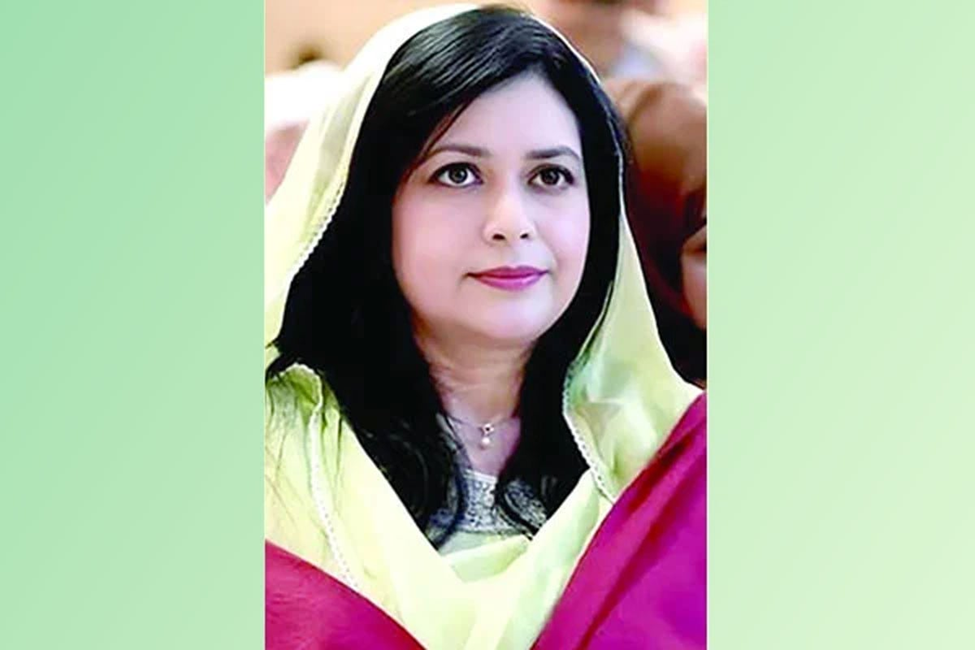
Growing up in such a family environment likely meant being surrounded by discussions of governance, public duty, and institutional responsibility. For many Bangladeshis, family lineage connected to the Liberation War carries emotional and symbolic weight. For readers in the United States, particularly those who value civil service traditions, this background signals early exposure to public institutions and leadership culture. However, heritage alone does not define a person’s career trajectory. What distinguishes Dr Zubaida Rahman’s profile is that her academic and professional achievements stand independently of her family name.
Education at Dhaka Medical College and Imperial College London
Dr Zubaida Rahman completed her MBBS from Dhaka Medical College, one of Bangladesh’s most competitive and respected medical institutions. Admission into Dhaka Medical College itself requires high academic distinction, reflecting strong foundational training in science and medicine. After entering public service, she secured the first position in the Bangladesh Civil Service Health Cadre examination in 1995. In Bangladesh, the BCS examination is widely recognized as one of the most competitive civil service entry systems. Achieving the top rank in the health cadre is not merely symbolic; it reflects measurable academic merit and performance under intense competition.
Her pursuit of postgraduate education at Imperial College London further strengthened her academic credentials. Imperial College London is internationally ranked for medical and scientific research. Postgraduate distinction from such an institution indicates exposure to advanced clinical methodologies, global research standards, and evidence-based medical frameworks. For South Asian readers, this represents international academic validation. For US readers familiar with global university rankings, it situates her education within a respected global framework of medical training.
In an era when professional credibility increasingly depends on documented expertise, her medical education forms a core part of her public identity. Regardless of political associations, the academic record itself reflects sustained commitment to medicine.
Marriage to Tarique Rahman and Role Within the Bangladesh Nationalist Party Family
In 1994, she married Tarique Rahman, the acting chairman of the Bangladesh Nationalist Party and son of former Prime Minister Khaleda Zia. This marriage placed her within one of Bangladesh’s most prominent political families. In South Asian political systems, family networks often amplify public attention. However, it is important to clarify that Dr Zubaida Rahman has not personally contested national elections nor held formal parliamentary office.

Her public presence has generally been associated with family appearances, medical background, and legal developments rather than campaign leadership. That distinction matters. In democratic systems worldwide, spouses of political leaders occupy varying roles. Some remain private professionals. Others gradually transition into formal politics. Up to this point, her trajectory has remained largely anchored in her identity as a physician.
Life in London After 2008 Political Crisis and Medical Leave
Following the political turbulence of 2007 and 2008, commonly linked to the One Eleven period in Bangladesh, Tarique Rahman traveled to the United Kingdom for medical treatment. Dr Zubaida Rahman accompanied him, taking leave from her government position. The leave was initially granted and later became a matter of administrative dispute due to extensions and procedural interpretations. Ultimately, in 2014, her government service was terminated under Bangladesh Service Rules because she did not rejoin within the prescribed timeframe.
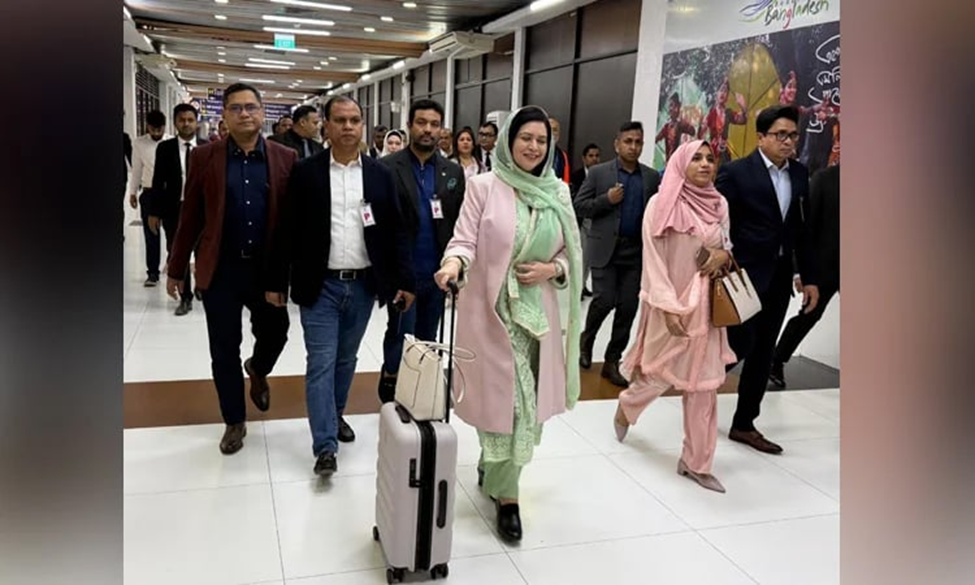
From an administrative standpoint, public service rules are structured to maintain institutional consistency. From a human perspective, periods of political instability and family medical crisis complicate personal decisions. For diaspora communities in the US and UK, her situation may resemble the difficult balance between professional obligations and family necessity across borders. Such circumstances are rarely simple, and they often unfold within larger political tensions.
Read More: Who is DR. Mahrang Baloch, prominent figure in the Balochistan human rights movement?
Anti Corruption Commission Case and High Court Legal Developments
In 2007, the Anti Corruption Commission filed a case alleging concealment of asset information involving her and her husband. Over the years, the case moved through multiple levels of Bangladesh’s judiciary, including the High Court and the Appellate Division. In October 2024, her jail term was suspended and on next year May 2025, the High Court overturned her conviction on appeal, reflecting judicial review within due process structures.
In democratic systems, legal allegations and appeals are processed through institutional mechanisms. Presenting these developments requires neutrality. Allegations are part of legal procedure, while final judgments reflect court authority. For readers in both South Asia and the United States, it is important to understand that complex political cases often undergo extended litigation. Her case followed that pattern.
Return to Bangladesh After 17 Years: Political and Public Reactions
After seventeen years abroad, Dr Zubaida Rahman returned to Bangladesh in May 2025 alongside Khaleda Zia. Her return drew public attention not only because of her family association but also due to discussions within the health ministry about reviewing her earlier dismissal from government service. Reports suggested that officials were examining whether procedural irregularities occurred during the cancellation of her leave and termination.
Reinstatement of a public service professional after legal and administrative review is not unprecedented in civil service systems worldwide. If restoration proceeds through due institutional process, it would mark a significant professional chapter in her life, reconnecting her directly with public healthcare service.
Public Image in Bangladesh and Among the US Bangladeshi Diaspora
Digital sentiment across Bangladeshi online communities reveals a mix of respect for her academic qualifications and debate regarding her legal history. Informal diaspora discussions, particularly within Bangladeshi communities in the United States, frequently highlight her education at Imperial College London and her BCS ranking as indicators of competence. At the same time, political polarization influences how different groups interpret past legal cases.
This duality reflects a broader truth about political societies. Public figures connected to major parties are rarely viewed neutrally. Instead, perception is shaped by broader trust in institutions, media framing, and partisan identity. What remains consistent, however, is recognition of her academic profile.
Future Outlook: Role in Bangladesh Healthcare or Political Leadership?
Looking forward, her trajectory may unfold in one of several ways. She may resume a primarily medical and advisory role, leveraging her clinical and academic background. She may continue as a supportive public figure without formal political candidacy. Or she may gradually enter active politics, should circumstances and personal decisions align.
For South Asian societies undergoing demographic change and institutional reform, professionally trained individuals entering public life often reshape expectations. For diaspora observers in the US, leadership credibility increasingly depends on transparency, competence, and measurable contribution. If she chooses greater public engagement, those standards will shape public evaluation.
Closing Reflection
Dr Zubaida Rahman’s life intersects with medicine, public service, law, exile, and national politics. Yet at its core, her story is about education, resilience, and institutional navigation under pressure. For readers in Bangladesh, South Asia, and the United States, understanding her requires stepping back from partisan noise and examining documented facts. History ultimately evaluates individuals not only by the controversies they endure but by the integrity of their contributions moving forward. The next chapter of her life will determine how her professional training and public experience shape her long-term legacy.