A belt may seem like a simple accessory — but for style-conscious individuals, it’s an essential finishing touch. And the buckle? That’s where a belt’s personality really shines through.
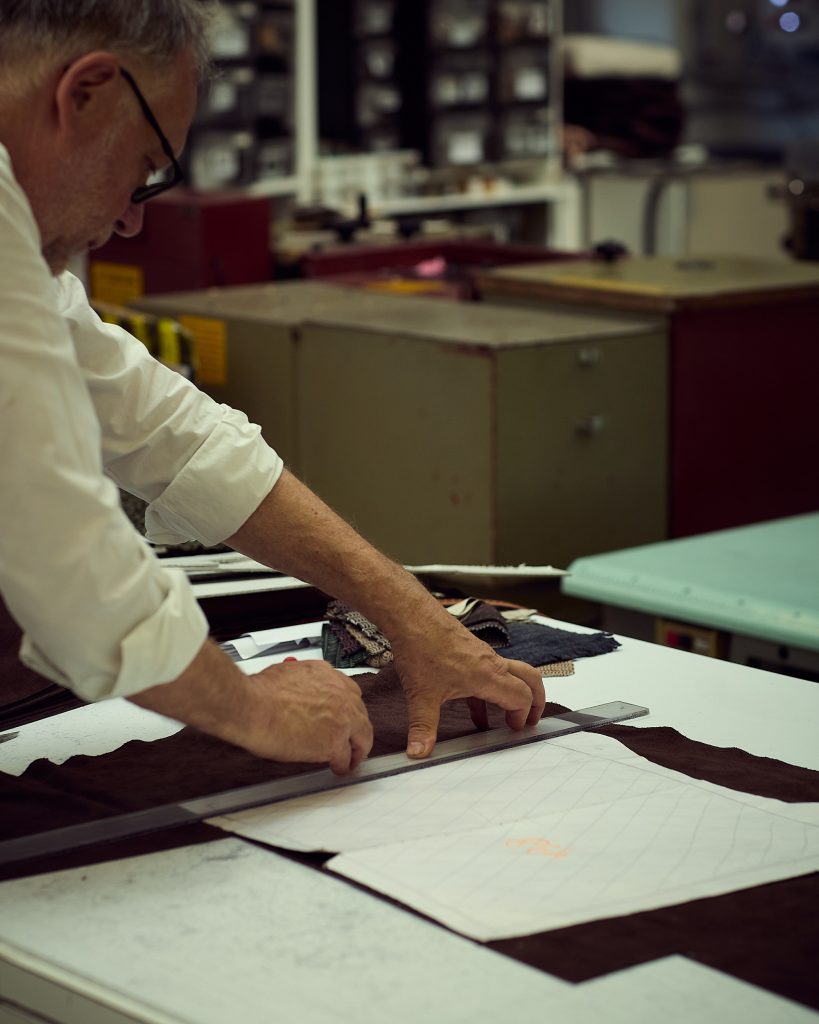
Whether you’re upgrading your look, reviving an old favorite, or experimenting with a more unique style, learning how to replace a belt buckle gives you greater control over your wardrobe. The process is surprisingly simple — and once you master it, you’ll never be stuck with a basic belt again.
In this guide, we’ll walk you through everything you need to know to confidently replace your belt buckle. From the tools you’ll need to expert tips for choosing the right buckle, this is your go-to resource for customizing your belt like a pro.
Why Change a Belt Buckle?
Before we get into the how, let’s talk about the why. A belt buckle isn’t just functional — it’s a powerful stylistic detail. Here’s why you might want to replace one:
- Upgrading style: Swap a basic buckle for something bold or more refined.
- Personal expression: Choose a shape, finish, or material that reflects your taste.
- Sustainability: Give an old belt a new life by changing its buckle instead of discarding it.
- Functionality: Sometimes buckles get scratched, broken, or outdated — but the leather strap is still in perfect shape.
For brands like Reptile’s House, where quality leather and artisanal craftsmanship take center stage, replacing the buckle means you can keep enjoying your belt for years — while evolving your style with minimal effort.
Types of Belt Buckles: Know Your Options
Not every belt buckle is the same — and not every belt allows for swapping. Before you begin, you’ll want to understand the most common types of buckles and their compatibility:
1. Prong (D-Ring) or Frame Buckle
- Most common, with a metal pin (or prong) that fits into one of the holes.
- Easily replaceable if your belt has snap buttons or screw rivets.
2. Plate Buckle
- Often used in Western or cowboy-style belts.
- Usually hooks onto the belt and doesn’t use holes.
3. Box Frame Buckle
- A modern, minimalist style with a clamp that locks the belt in place.
- Some models are permanent, others allow for easy swapping.
4. Clamp Buckle or Auto-Lock
- Common in ratchet belts — doesn’t require holes.
- May involve a slightly different replacement process.
For the purpose of this guide, we’ll focus on classic frame/prong buckles, which are the most widely used and easiest to replace.
What You’ll Need
Replacing a buckle doesn’t require a workshop — just a few tools and a bit of patience. Here’s what you’ll want to gather before you begin:
- Your belt with a removable buckle (look for snap buttons or screws near the end).
- The new buckle of your choice.
- A small screwdriver (if the belt uses screws).
- A clean workspace with good lighting.
Optional:
- Leather conditioner (to treat the belt once opened).
- A pin or awl, if your belt has stubborn snaps.
Step-by-Step: How to Replace a Belt Buckle
Ready to give your belt a new look? Follow these simple steps:
Step 1: Inspect the Belt End
Look at the end of the belt where the buckle attaches. If there are snap buttons, you’re in luck — this is the easiest style to change. If there are screws, you’ll need a small flat-head screwdriver.

If your belt is stitched shut or riveted without a closure, it’s not designed for buckle swapping — though a leatherworker can often modify it.
Step 2: Remove the Existing Buckle
- If your belt uses snaps, simply unsnap the buttons and pull the buckle off.
- For screws, unscrew them gently, being careful not to strip the threads. Set the screws aside.
Now, the leather end should be loose, allowing you to slide off the buckle.
Step 3: Prepare the New Buckle
Take your new buckle and inspect it. Make sure it’s the same width as your belt strap (typically 30mm, 35mm, or 40mm). Test the prong if it’s a frame-style — it should move smoothly.
Step 4: Slide the New Buckle In
Thread the belt strap through the buckle’s loop, aligning the holes or openings as needed. If it’s a frame buckle, make sure the prong fits cleanly through the hole in the leather when worn.
Step 5: Secure the Closure
- Snap the buttons shut or screw the rivets back in.
- Make sure everything is firmly secured but not overtightened.
Pro tip: If using screws, you can add a drop of thread locker (like Loctite) to keep them from loosening over time.
Step 6: Test It Out
Try the belt on. Make sure the buckle functions properly, sits comfortably, and aligns with your belt holes.
Voilà you’ve got a refreshed belt with a brand-new look.
Choosing the Right Buckle: It’s All About Style
Swapping out your belt buckle gives you the opportunity to express your personality in subtle (or bold) ways. Here are a few tips when choosing your next buckle:
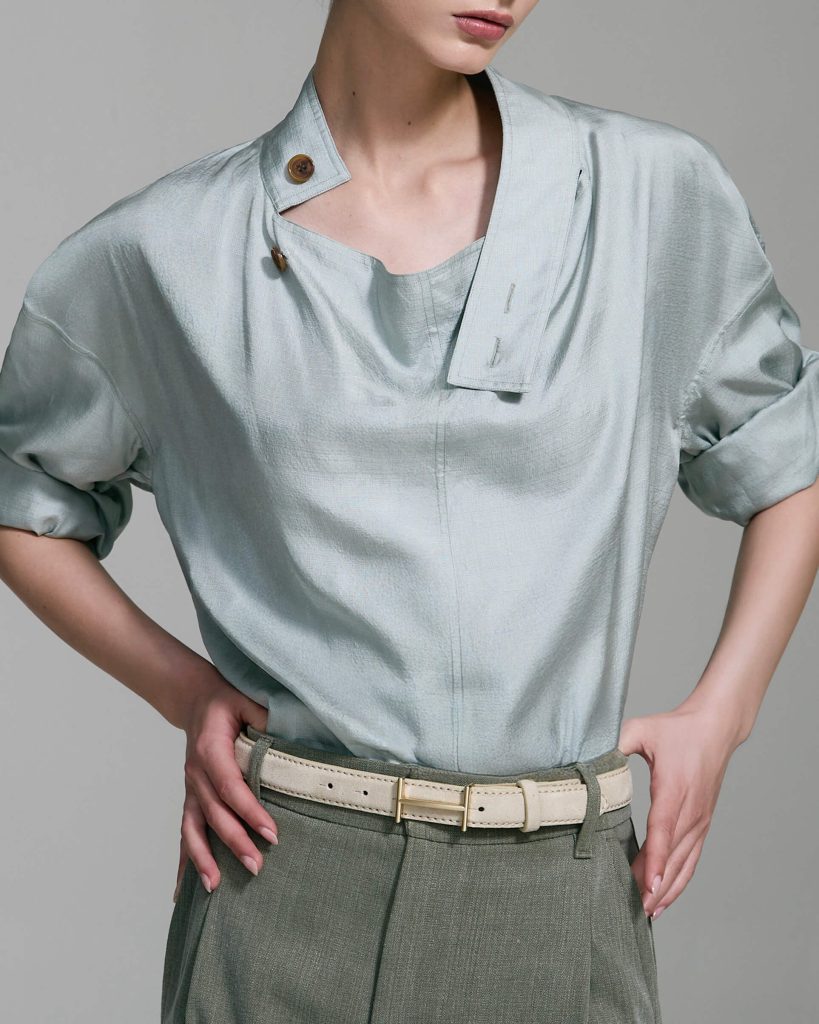
- Minimalist metal buckles in matte silver or brushed gold offer timeless sophistication.
- Geometric or designer buckles add edge to streetwear and fashion-forward outfits.
- Vintage or antique-style buckles bring a sense of nostalgia and character.
- For a more elevated look, consider a signature buckle from artisan brands like Reptile’s House, where texture, color, and detail speak volumes.
Always consider the overall aesthetic: is your buckle complementing the rest of your look — or overpowering it?
When in Doubt, Go Custom
Want a buckle no one else has? Look for artisans or brands that offer custom buckle designs. Some belt makers — especially in Italy — offer one-of-a-kind pieces with hand-etched details or sculptural forms.
And if your belt is from Reptile’s House, their range of handcrafted buckles offers luxurious options that mirror their nature-inspired aesthetic — combining texture, structure, and timeless charm.
Caring for Your Belt After Replacement
Now that you’ve replaced the buckle, it’s a great time to show the rest of your belt some love:
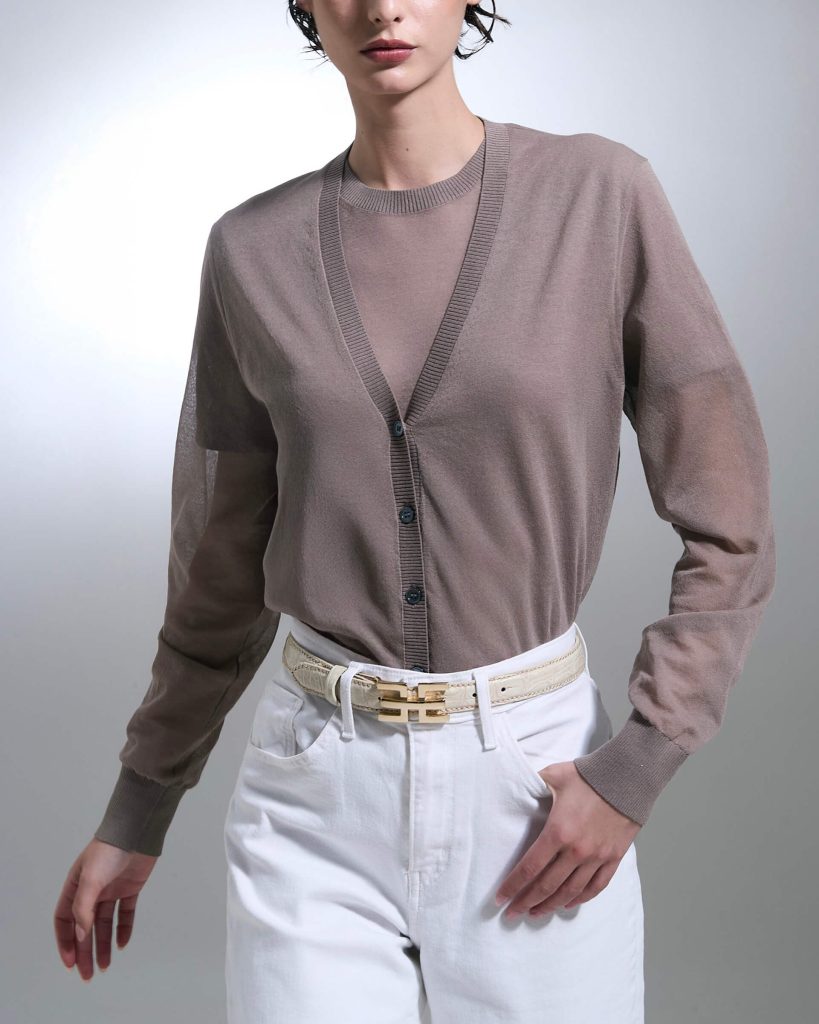
- Condition the leather with a high-quality balm or oil to keep it supple.
- Store your belt flat or rolled loosely to avoid cracking.
- Avoid exposure to water or direct heat, which can warp both leather and metal.
A well-maintained belt not only lasts longer but looks better every time you wear it.
Final Thoughts: A Small Change with Big Impact
Replacing a belt buckle is a simple task, but one that offers tremendous style payoff. It lets you personalize your accessories, keep your leather belt in rotation, and adapt your look to any occasion.Whether you’re going for subtle elegance or standout fashion, a new buckle can transform the vibe of your outfit instantly. And if you value craftsmanship and statement design, belts and buckles from Reptile’s House provide the perfect blend of Italian artistry and modern luxury. Read more about replacing a belt here.